
Pickleball Paddle Materials Compared
Prefer to listen? Tap play below!
Pickleball Paddle Materials Compared: Graphite, Composite, and Wood
The popularity of pickleball continues to grow, and it attracts people of all ages because it is fun and easy for all to play. As more and more people set foot on the court, they realize the importance of selecting equipment that will optimize their performances; perhaps the most important piece of equipment is the pickleball paddle.
The pickleball paddle is the part of the gear that has the most effect on how the game is played. There are three primary materials used to construct a pickleball paddle: graphite, composite, and wood. Graphite paddles give players control since they are quite lightweight; they require more refined and advanced skills. Composite paddles strike a balance by providing a medium amount of power, as well as control, making them ideal for all types of players. Unlike graphite and composite paddles, wood paddles are very budget-friendly and mostly targeted at beginners, but players should note that they are the heaviest choice and they don’t always offer the best touch.
Graphite Paddles
Graphite paddles are well-loved because they are light, almost agile, while still offering excellent power and control. One try and you can tell this model was built to last, though the paddle company throws in a one-month warranty just for good measure.
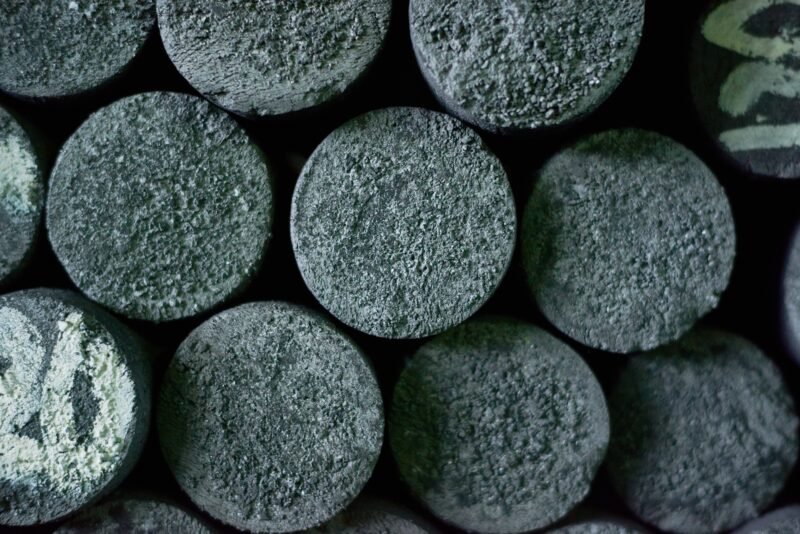
Directly above view of graphite manufactured articles of unequal height standing at production department of modern plant, close-up shot
That said, I’m not going to sit here and type out that this is the ideal model for everyone. The fact is, not-so-serious players won’t love the higher price point. So, if you’re a casual player or an absolute beginner, this model isn’t for you. Also, despite the paddle having great responsiveness, due to the graphite, you won’t have as much shock absorption, so keep that in mind if you’re prone to paddle discomfort during long games.
Composite Paddles
Composite paddles are a jack-of-all-trades in terms of serving up a good mix of power and control in one package. They are often a lot cheaper than most graphite options, allowing more novice or casual players to get in on the action.
They are heavier than some graphite paddles. You will lose some quick pop and maneuverability in high-speed exchanges. These also are not quite as durable as graphite paddles and will lose some lifespan according to many players. Composite paddles seem like a natural fit for more casual players who are just learning to play the game.
Wood Paddles
Wood paddles make a good introductory paddle for newbies based on price and durability alone. If you’re getting into pickleball and you want a paddle that can take a beating for your first few games, then wood is great. If you’re organizing a community event or picnic and need a cheap, hardy solution, then wood will do just fine. These paddles are so affordably priced, it’s actually a blessing for people to be able to buy one and play their first few games with it. They won’t be timid or shy as they might be with a $100 paddle, which for many may seem like a serious investment.
Texture of wooden trunks used as seamless wallpaper
On the downside, the weight of the wood is a serious issue. It will not help you in a fast volley, for instance, it will only hurt your ability to respond quickly enough to return a ball to your opponent’s side of the court. It’s also not the kind of paddle that will do what the graphite and composite paddles do, the ones that have a legitimate relationship between power and control, to suit your playing style. These paddles aren’t going to work for players who want dinking control and smashing power or a combination of these.
Paddle Comparison Chart
| Weight | Price | Durability | Performance | |
|---|---|---|---|---|
| Graphite | Light | High | Excellent | Excellent |
| Composite | Medium | Medium | Medium | High |
| Wood | Heavy | Low | Low | Low |
How to Choose the Right Paddle for Your Game
You need to think about your playing style and your budget when choosing a paddle. As with any sport, the equipment for pickleball spans a wide price range. What’s unique about pickleball in that sense is that your skill level will go a long way in determining how much you should pay for a paddle. If you’re a beginner, you may opt for a more budget-priced, lightweight paddle that gives you more control; others who have played a while may opt for a slightly pricier, heavier paddle that offers a power edge.
Also check the paddle’s weight and the grip size. Too heavy, and it may cause you serious injury; and the right grip size can vary. Makers employ a wide range of methods for wrapping handles and it’s up to the individual player to find out which one works best. Everybody’s hands are different, so it’s important to test out paddles in different sizes with different types of handles.
Understanding Pickleball Paddle Materials
Paddle materials make a stark difference in gameplay. Graphite paddles are light and stiff. Thus, they can dump speed into a swing and power into a hit. Stiff materials do not compress as much upon striking, which translates into less recoil and better control. They also absorb shock well which improves control and playing comfort.
Composite paddles, made from a combination of materials, are best for people looking for a balance between power and control. Paddles are stiffened to be more responsive, while also including a mid-range layer to be more forgiving and quiet when hit. These types of paddles are more versatile but not usually for specific play styles.
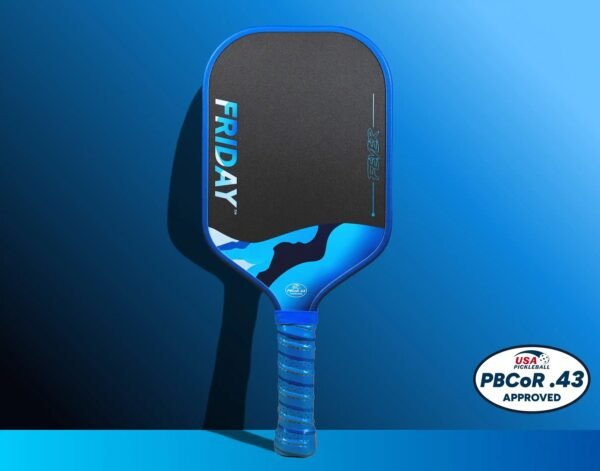
Wooden paddles are heavy, slow, and cheap, but are favorites because of their classic design. For beginners, I still love wooden-head racquets. They are ultra-durable and cheap. At the end of the day, paddle choice matters quite a lot in games where the only thing making contact is the player’s paddles. Swing speed, strategy, and shot accuracy can all be heavily influenced by your choice of paddle. So choose one that matches your skill level and playing style but please choose one you actually know about.
When you choose a pickleball paddle, you have to consider what type of material is best for your game.
- Graphite paddles: Are you a player who needs high speed and maneuverability? Then you might like a graphite paddle. These paddles are known for being super lightweight but still very powerful.
- Composite paddles: Composite paddles are all about balance. They’re great for the player who needs to pull out a little bit of power and a little bit of control.
- Wood paddles: What they lack in responsiveness they make up for in price and a nice, solid feel. But to be honest, wood paddles are heavier.
Think about you as a player. Who are you as a player? Everyone is different. You have choices in grip sizes, weight, and your style of play. Are you going to play a much more power aggressive style or a more strategic style? Your best bet in choosing a pickleball paddle is to take a few out for a test run. That way, you have a better idea when explaining your style. Consider taking a visit to the local sports store or doing some online browsing.
Other Articles
Pickleball Tips for Playing with Hearing Loss
Pickleball Tips for Playing During Pregnancy
Pickleball Tips for Playing with Disabilities
Pickleball Tips for Playing with Injuries
Pickleball Tips for Playing in Humid Conditions
Pickleball Tips for Playing in High Altitude
Pickleball Tips for Playing on Wet Courts
Pickleball Tips for Playing at Night
Pickleball Tips for Playing in Cold Weather
