
Pickleball Tips for Playing with Injuries
Prefer to listen? Tap play below!
Pickleball Tips for Playing with Injuries: Modifying Your Game for Recovery
Pickleball with its increased participation inevitably comes with increased injuries, especially among relative novices to the sport. Aches, strains, sprains, and repetitive use injuries are common, often occurring as a result of poor techniques and decreased overall levels of conditioning of the athletes.
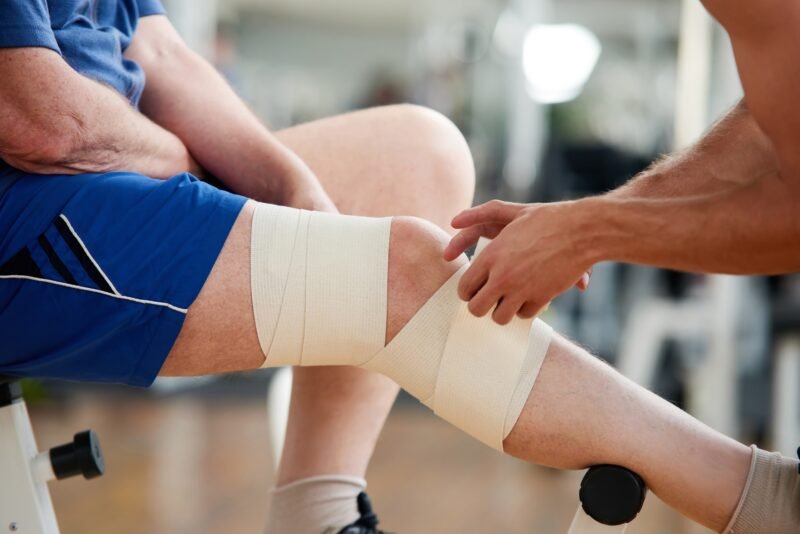
Close up hands wrapping bandage on male leg in gym. Unrecognizable senior man with injured leg at fitness club. Muscle strain during workout.
That is not to say anyone with injuries cannot play the sport; but rather, someone with a pre-existing injury must make all the necessary precautions that will allow them participate without harming their already injured tissues. These players might need to decrease the volume, speed, intensity of play, and matches, or rest longer. Some also may need to temporarily wear a wrap, kinesiology tape, or brace for added stability and support, etc.
Understanding Pickleball Injuries
Pickleball, as with all sports, comes with a risk of common injuries including sprains, strains, and tendonitis. The lateral movements required during play can overstretch the ligaments in the ankles or knees, leading to a sprain. Strains are associated with an injury to the muscle or tendons and can result from forward propulsion, backwards reach or jumping maneuvers, impacting the lower back and hamstrings. Repetitive motions, like the serving and volleying play in pickleball, commonly articulate in shoulder or elbow tendonitis.
These injuries can have a negative impact on game play and overall fitness. A sprain or strain could put you out for weeks, meaning that you’ll be sidelined for quite a while and you’ll miss any tournaments and leagues you signed up for. Chronic conditions, like those of tendonitis, often bring recurring and uncomfortable symptoms, therapy and other treatments help to alleviate the symptoms but do not cure the condition, so take it easy and try not to push yourself too hard.
Assessing Your Injury
A key part of returning to play after getting an injury is to consult with a healthcare professional. They can assess whether athletes are physically ready to return. This is a good way to prevent re-injury and monitor long-term health. The athlete might seem to be able to return to play, but the professional might be able to identify other issues.
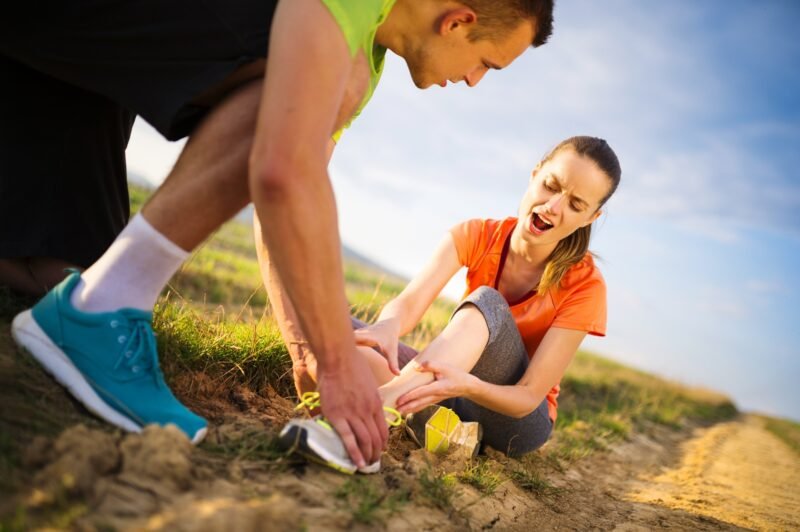
Sports Woman With Twisted Sprained Getting Help From Man Touching Her Ankle.
It is also important to do your own self-assessments. We usually pay attention to the pain. If I feel no discomfort with any movements, I might be ready to play safely. I also do dynamic stretches such as range of motion and strength. These assessments show a combination of information from both the professional and the injured and if the person can get back into pickleball safely.
Modifying Your Pickleball Game
Changing anything with your game can make a big difference in how you play. One thing you can change is your technique. This means training your grip, stance, and swing differently. Anything that increases accuracy and power to your hits is worth a try. It just takes practice and some repetition. You should have the flexibility to change the way you swing. You should be able to change your style from defensive to aggressive when the timing is right.
Incorporating Injury Recovery into Your Routine
Get your training and rehab in. Whether you’re in the gym lifting or performing exercises, athletes that play high-impact sports like pickleball require forms of cross-training and rehab exercise to recover. Exercise can make you a better athlete by increasing strength, flexibility, and cardiovascular capacity. Additionally, it can also aid in injury prevention. Depending on the intensity, workouts give the body a balanced form of training because different muscle groups will activate, and the muscles commonly used when playing pickleball can rest. Try other activities like swimming, cycling, or yoga.
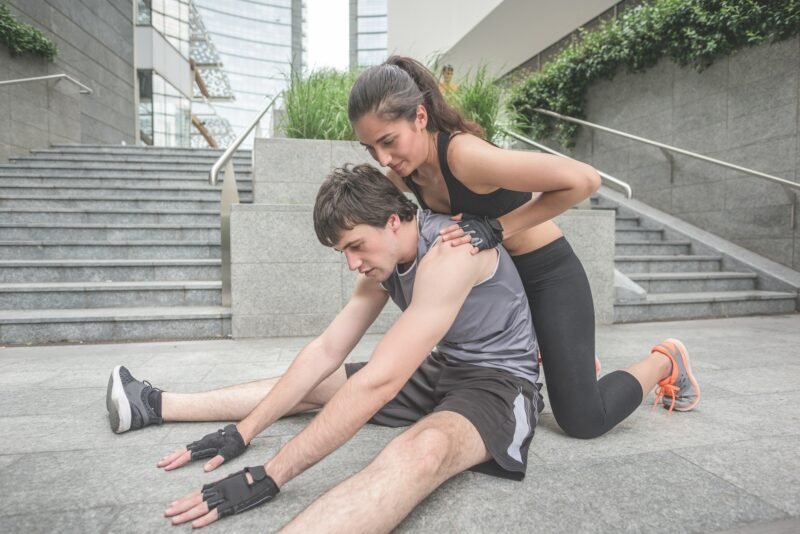
Couple of young handsome Caucasian sportive man and woman stretching together – she is helping him stretching his back – both looking downward – sportive, fitness, healthy concept
Cross-training exercises for pickleball that work best should focus on: agility, core strength, and cardio endurance. This allows the active muscles to recover by targeting other muscles. Lateral lunges, planks, stairs, or box jumps produce great results in a short time. Try adding 5-15 minutes of jumping jacks, jump rope, treadmill interval training, or stationary cardio bikes into weekly workout routines. Be sure to stretch your muscles out and perform dynamic and mobility exercises when you are finished. This way, you will help avoid stiff muscles and maintain the athletic ability you need to give you the best chance at winning.
Listening to Your Body
Understanding overexertion, be it physical or emotional fatigue, is a life skill that most of us need to learn. Are you frequently tired very early in the day? Are you feeling more and more irritable with each passing day of exercise? Are you constantly thinking about your workout? Have your performances in and out of the gym taken a serious turn for the worse? If so, it is likely that you are not getting enough rest. Your body is clearly showing it. Don’t overlook the signs. Listen to your inner self and find time to rest in your schedule. Rather than pushing yourself to pass the threshold of burnout and injury, carve out a thirty-minute period of rest throughout your day. Maybe you need to take a day completely off and that’s just fine. For a longer time off, focus on rejuvenating your body with rest, liquids, and healthy carbohydrates. Just do whatever it is you need to do to prevent burnout from happening.
Lastly, find small, positive motivators to get you through recovery. These motivators can keep your mental fatigue at bay.
The main idea is to prioritize your health but still play the game of pickleball. Make modifications to your game to avoid any injuries. These tweaks can include: your approach to the game, changing the way you play, scheduling more rest days, etc. These will only improve your overall health and keep you in the game longer.
Know how to warm up the body correctly and how to detect when your body is in a high degree of stress. If you’re experiencing any pain and suffering, be hands on with your health and consult your healthcare professional or PT.
Other Articles
Pickleball Drills to Improve Net Play
Pickleball Tournament Prep Checklist
Pickleball Tips for Playing Indoors
Pickleball Drills for Better Reaction Time
How to Build a Backyard Pickleball Court
Pickleball Strategy for Windy Conditions
Pickleball Paddle Grip Techniques
Improve Pickleball Serve Accuracy
Pickleball Doubles Positioning Tips
