
Pickleball Tips for Playing Against Aggressive Opponents
Table of Contents
Prefer to listen? Tap play below!
Mastering Pickleball: Essential Tips for Countering Aggressive Opponents
An aggressive opponent is the one who develops a strategy of always attacking is the best offense. They are hitting the ball hard and with a lot of pace and may hit a hard serve. They are more likely to come to the net where they can hit the ball in the air in a volley position. This fast game tends to put someone more on the defensive, forcefully hitting a weaker shot.
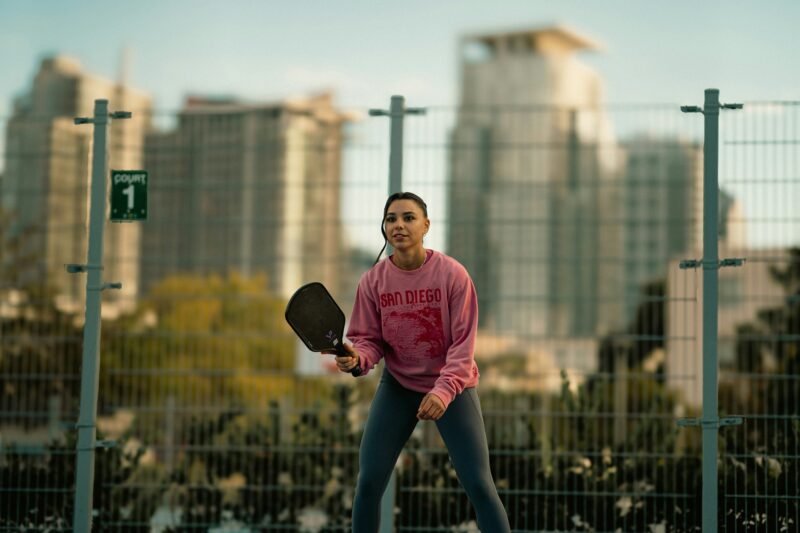
To deal with an aggressive, powerful play early in the game, decide on your approach. Aim to be in a more defensive position, possibly shorter and slower. Think about the location, not being wrapped up in hitting with speed. Better to test these new techniques otherwise you are playing right into their game.
Smart Positioning on the Court
Being in the right place on the court in pickleball gives you the best chance to respond to whatever an aggressive player throws at you. You become less of a target at the kitchen line, forcing that aggressive player to alter their shot selection. Stand closer to the non-volley zone and watch out for fast volleys coming in your direction.
Feet should be shoulder-width apart in an athletic stance with your knees a bit bent. That will allow you to react more quickly to move left or right. You might get caught leaning the wrong way, but if an aggressive player is standing ahead of your overall court position, you may become unnerved.
Effective Shot Selection Against Aggressive Players
Shot selection is key in diffusing an opponent’s aggression. You make your opponent move to the ball and play the game at your pace. A defensive lob is a great neutralizer because many times the opponent’s momentum is moving forward and you make that player stop, move back, and reset their feet. This may result in forcing a weak reply and you can win back the control of the rally.
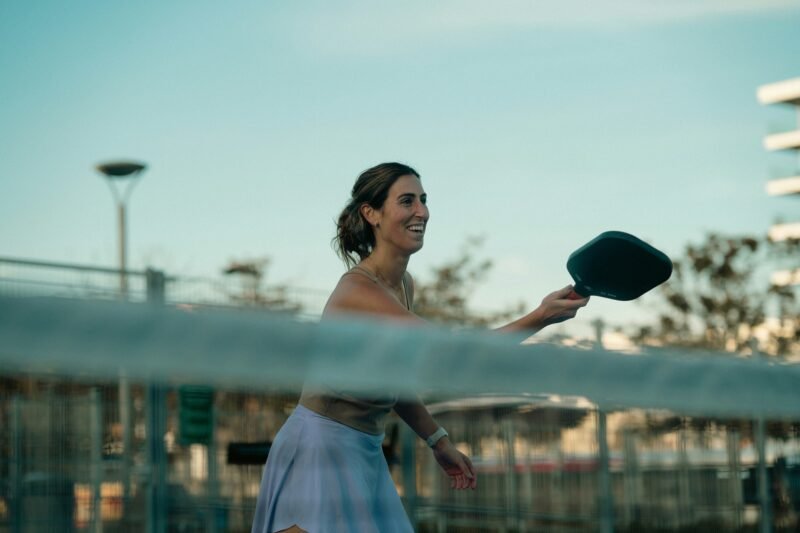
Many times there will be other technical weaknesses you can exploit. If you identify that a player loves to attack, start hitting the ball to the places they hate to play from. A less confident backhand or wider angles of the court become difficult to time correctly, and the player’s rhythm becomes disrupted. Again, alternating these shots with a drop shot will force the aggressive player out of their usual attack patterns, and they may be forced to be creative and make an unforced error.
Changing the places you hit the ball is also important. Don’t allow the aggressive player to know where the ball will land next. If they can anticipate your next shot, they will be there waiting and ready to pounce on their next attacking opportunity.
Developing a Strong Pickleball Defense
An effective defense is vital to a great pickleball game. Of course, there is the physical aspect of this: when your opponent hammers the shot to you at 100 miles per hour, are you physically able to be in the right position to return that shot? Hopefully you’ve already positioned yourself well off the net, anchored with your knees slightly bent. Equally important is the right touch on the ball: being able to ever so slightly tap the ball back over the net with a light touch. A strong defense can translate to a strong offense, meaning that you absorb the shot and give yourself a chance to live another day and to get into a position to possibly issue an offensive shot.
The non-physical aspect of having a strong defense game means staying the course in the face of adversity. Players need to be mentally resilient to the effects of possibly prolonged periods of defensive play. Experiencing too many of these fast-paced volleys can become excruciating for some players and potentially zap their mental and physical energy reserves. The end-result of increased pressure can be catastrophic. Increased pressure can lead to loss of concentration, suboptimal shot decision making and reduced shot execution. As such, players must rely on coping mechanisms to combat stress and loss of focus.
Advanced Pickleball Tactics for Competitive Play
Advanced tactics are a must against aggressive players to avoid always being on the run. But how do you establish a dominating tactic to begin with? By first paying attention to your opponent’s body language and recognizing the types of shots they play. Then you can have an idea of what shot they’re going to play before they even play it. This will save you a little time, allowing you to be ready to respond to their attack, and make setting up shots a little easier for you. Reading the game is a role that every player should master. You aren’t just returning a shot, you are trying to leverage every opportunity possible using a range of techniques from spin, to speed, and head fakes / deceptions. The best defense is a good offense, after all.

One of the most important aspects of pickleball is knowing aggressive opponents. Once you know the strengths, weaknesses, and tendencies of your opponents, you can predict and capitalize on their actions. Good court positioning is about making unforced movements on the court. In other words, always know where to go and move fast to the right positions. This puts you at a strategic advantage to make a successful strike on the ball.
Another part of the equation is good shot selection. Patience is key, but strong and strategic shots will win the match. Practice solid defensive skills to improve your overall match performance. This makes you feel more accomplished with each game and brings more passion to the sport.
Other Articles
Pickleball Tips for Playing with Hearing Loss
Pickleball Tips for Playing During Pregnancy
Pickleball Tips for Playing with Disabilities
Pickleball Tips for Playing with Injuries
Pickleball Tips for Playing in Humid Conditions
Pickleball Tips for Playing in High Altitude
Pickleball Tips for Playing on Wet Courts
Pickleball Tips for Playing at Night
Pickleball Tips for Playing in Cold Weather
